There’s nothing quite like these classic pieces of fantastic pottery. Do you still have some?
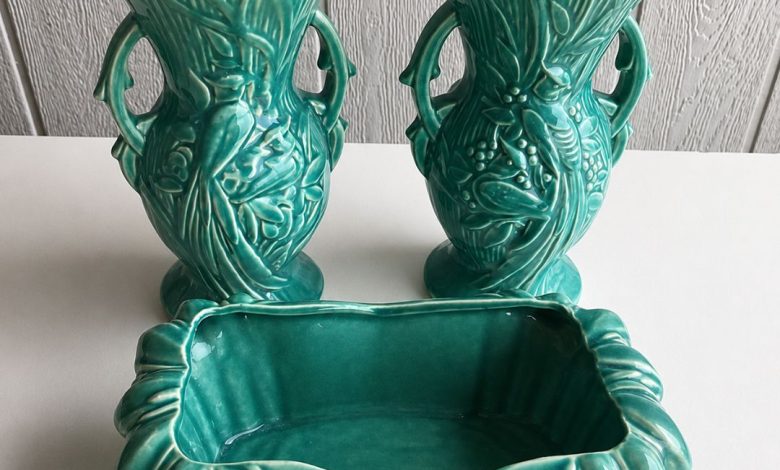
For many American families in the 1940s, 1950s, and 1960s, a piece of McCoy pottery was simply part of everyday home life. It might have been a cheerful vase on a table, a planter in the living room, a cookie jar in the kitchen, or even an ashtray on a coffee table. These pieces were practical, affordable, and full of charm.
Today, however, many of those once-common household items have become highly collectible pieces of American pottery history. Some McCoy items still sell for modest prices, while rarer examples can bring in hundreds or even thousands of dollars.
The Story Behind McCoy Pottery
The roots of McCoy pottery go back to 1848, when William Nelson McCoy founded the company in Roseville, Ohio. At first, the business focused on practical stoneware such as crocks, jars, and mixing bowls. These were not fancy art pieces. They were sturdy items made for daily use.
That changed in 1926, when the company began producing decorative art pottery, including vases, planters, pitchers, and ornamental pieces. This shift helped turn McCoy into one of the best-known names in American pottery.
It is important to note that McCoy Pottery is not the same as Roseville Pottery, even though both are closely connected to the same Ohio pottery region. The area around Roseville was rich in clay deposits, which made it a major center for ceramic production.
Why McCoy Pottery Became So Popular
McCoy pieces had a warm, approachable style that fit beautifully into American homes. Their designs often reflected the look of the mid-20th century: soft colors, simple shapes, floral details, and practical forms.
Many pieces were made in pastel shades, earthy glazes, and decorative patterns that matched the tastes of families before and after World War II. Even McCoy items made in the late 1920s often carried a style that remained popular well into the 1940s and 1950s.
Because of this continuity, McCoy pottery became closely associated with classic American mid-century home decor.
How to Identify McCoy Pottery
Many McCoy pieces are marked with the familiar “McCoy” signature, but not all of them were marked. This is one reason identification can sometimes be difficult.
Collectors often look at the shape, glaze, weight, design, and production details to determine whether a piece is genuine. Since some McCoy items were never stamped, an unmarked piece is not automatically fake. However, it does make careful research more important.
Popular McCoy Collectibles
Some of the most recognizable McCoy items include vases, planters, jardinières, pitchers, TV lamps, ashtrays, and cookie jars.
One of the most common types is brown dripware, a style that can sometimes resemble pottery made by Hull. McCoy cookie jars are especially popular because they bring back strong memories of American kitchens from the mid-20th century.
For many collectors, McCoy is not just about value. It is about nostalgia. These pieces remind people of grandparents’ homes, family kitchens, and the simpler decorative style of an earlier generation.
What McCoy Pottery Is Worth Today
The value of McCoy pottery depends heavily on rarity, condition, design, demand, and authenticity. A common vase may sell for only $20 to $30, while more desirable pieces can sell for much more.
Some McCoy cookie jars may sell for as little as $15, but rare examples have been known to reach over $2,000. Notable collectible pieces include Lizard Handle vases, the famous apple cookie jar, and the unusual “Freddy the Gleep” cookie jar from the 1970s.
The most sought-after McCoy patterns generally come from the 1930s through the 1970s, even though the company continued in different forms until its final decline in 1990.
Beware of McCoy Fakes
Because McCoy pottery became so collectible, reproductions and fakes have appeared over the years. Cookie jars are among the most commonly copied items.
One clue is size. Some reproductions are slightly smaller than the originals because they were made by taking molds from existing pieces. When clay is fired, it shrinks, which can make the copy smaller than the authentic vintage item.
Collectors should be especially careful when buying rare or expensive pieces. Checking reference books, collector guides, reputable dealers, and known measurements can help prevent costly mistakes.
A Lasting Piece of American Home History
McCoy pottery remains beloved because it represents more than ceramic craftsmanship. It reflects a familiar chapter of American domestic life.
From kitchen cookie jars to living-room planters, McCoy pieces were made to be used, displayed, and enjoyed. Decades later, they continue to attract collectors who appreciate their beauty, nostalgia, and place in mid-century American design.
For anyone who loves vintage home decor, McCoy pottery is a reminder that even ordinary household objects can become treasured pieces of history.